Tee Socket Weld
360° View
Product Description
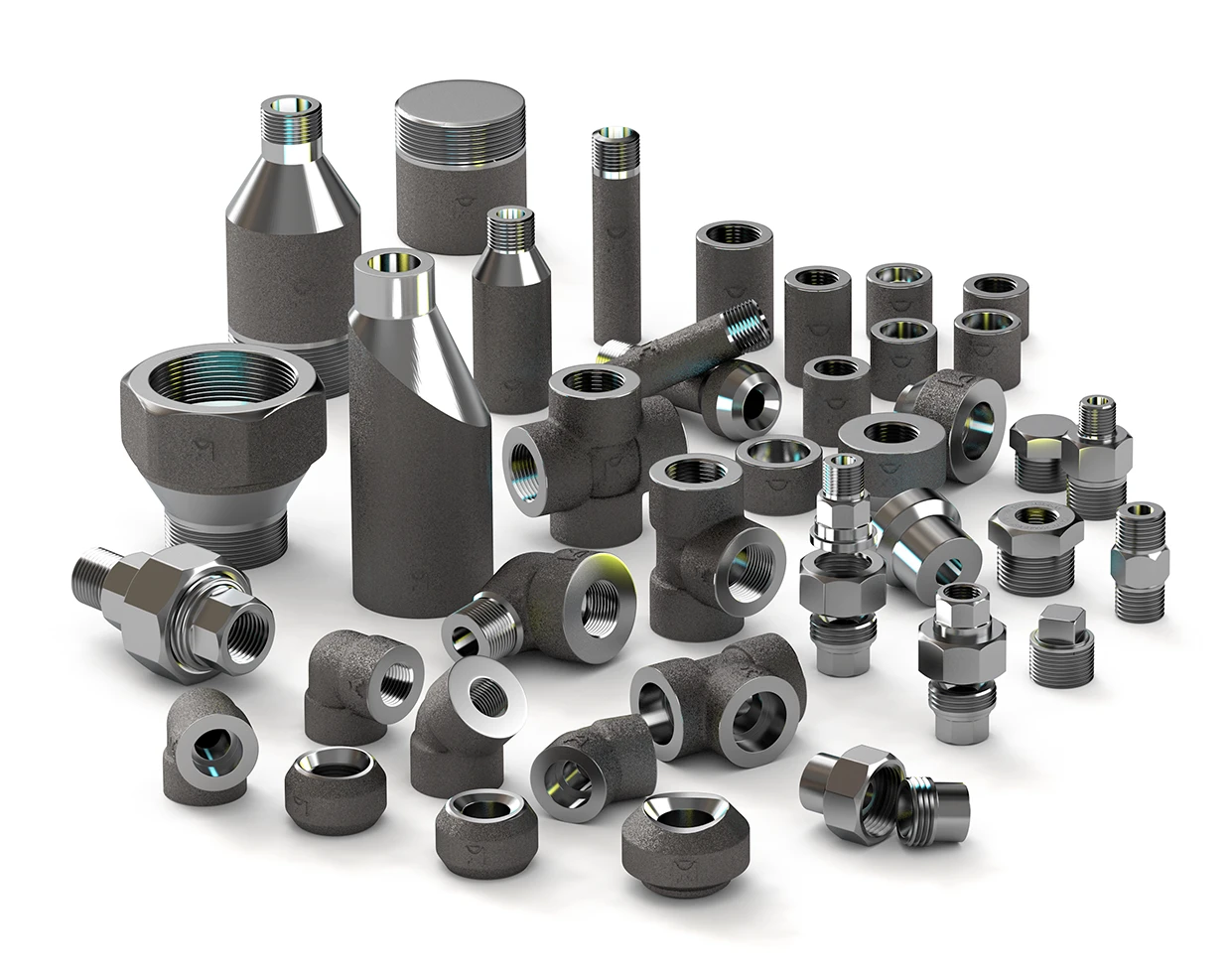
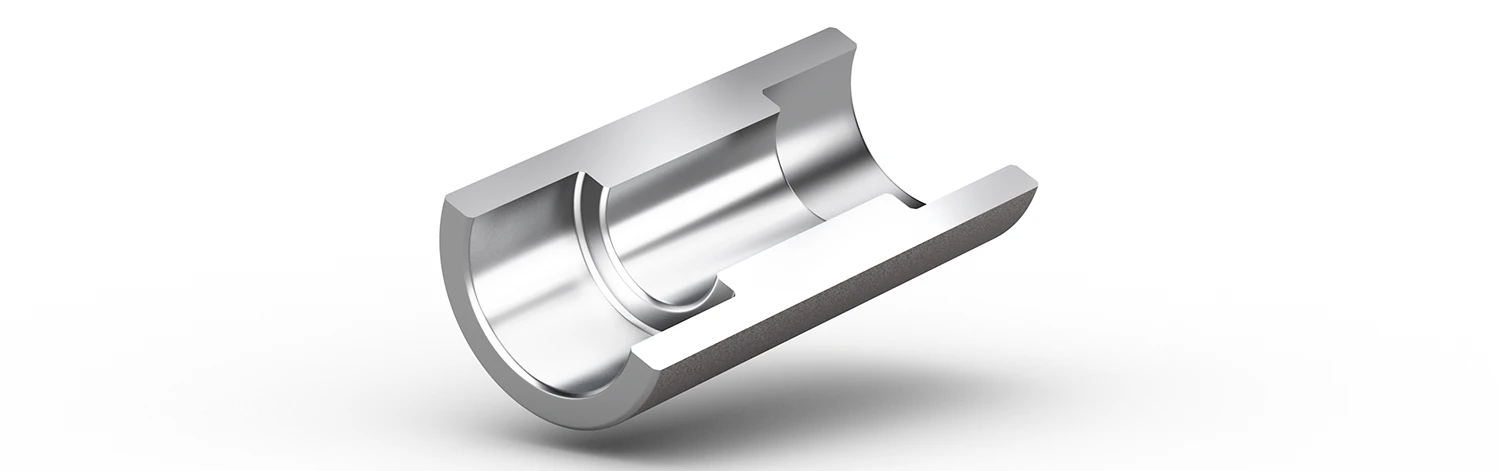
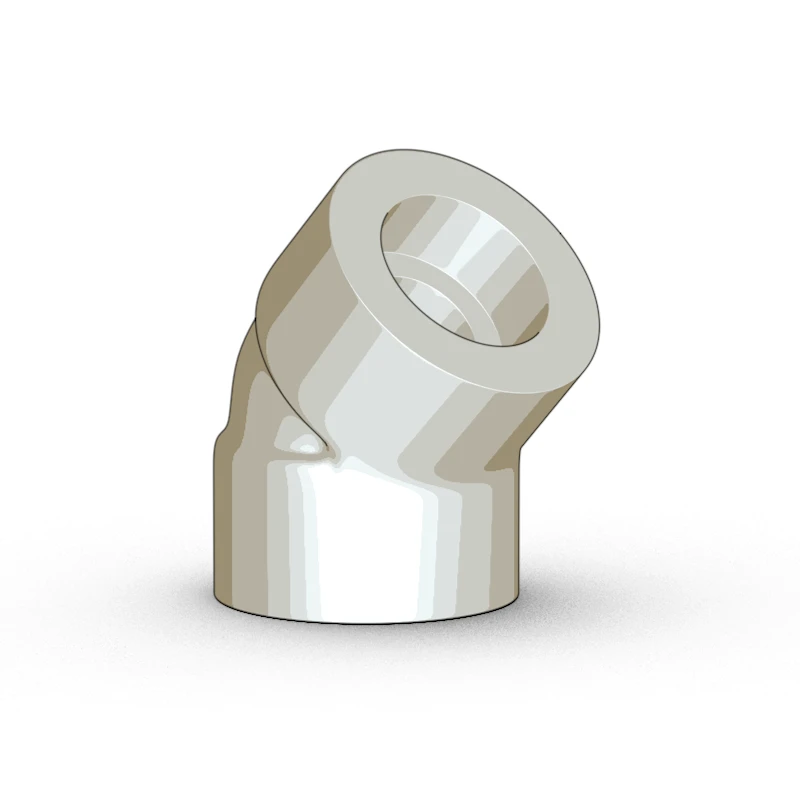
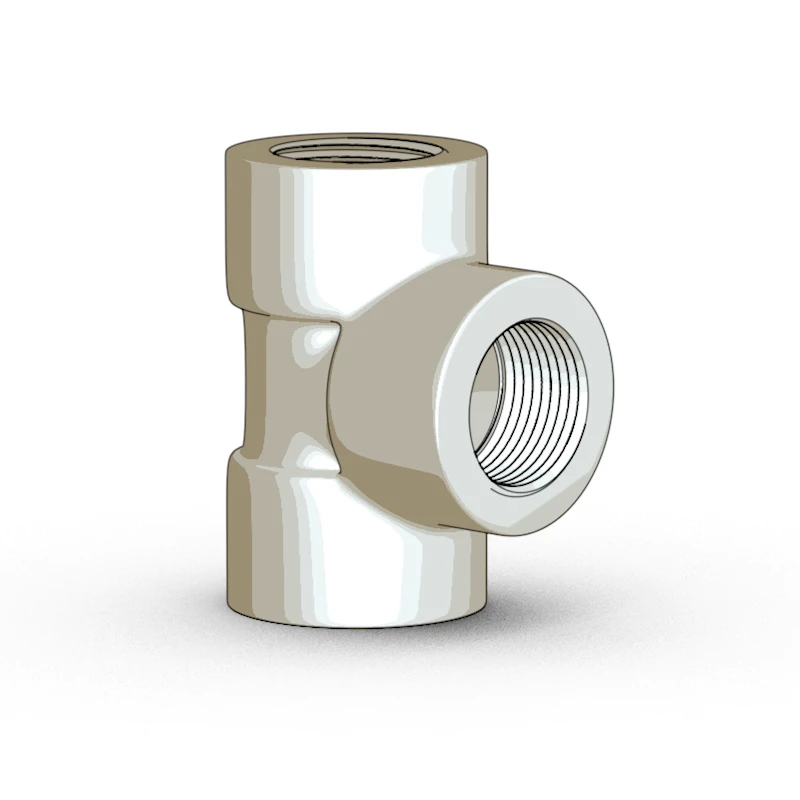
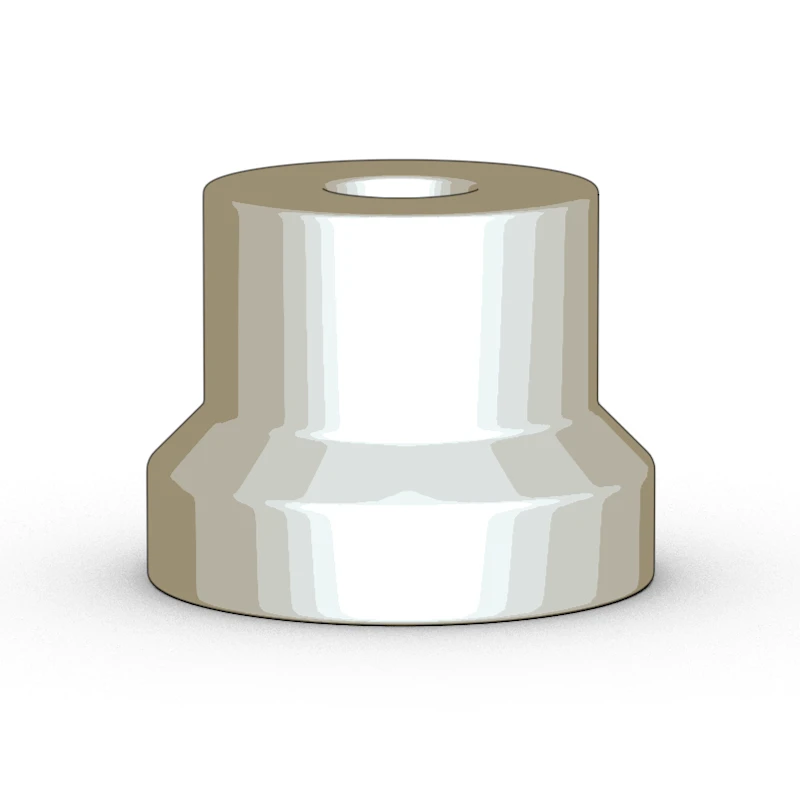
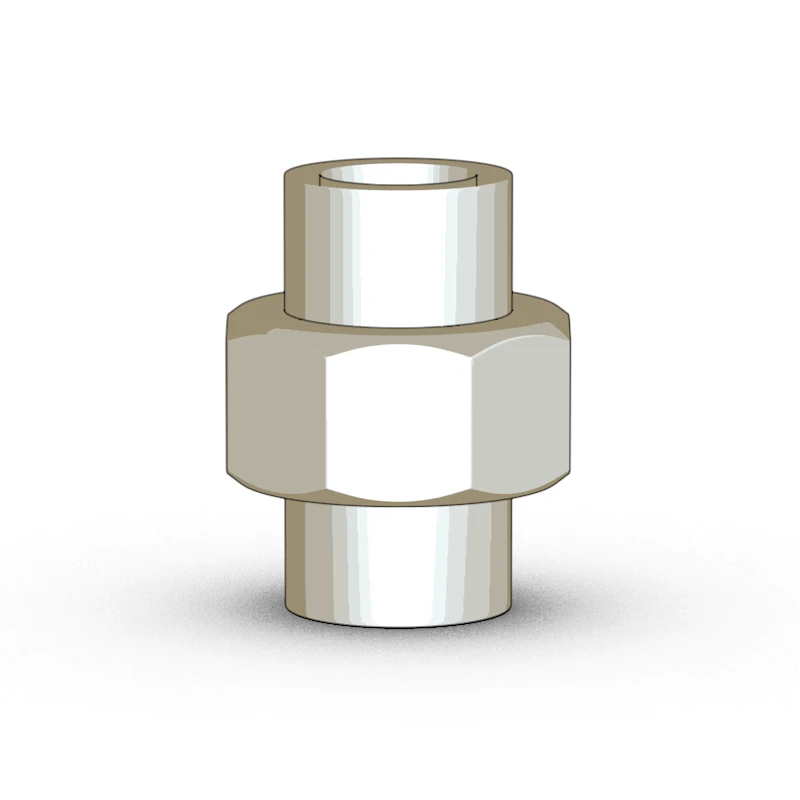
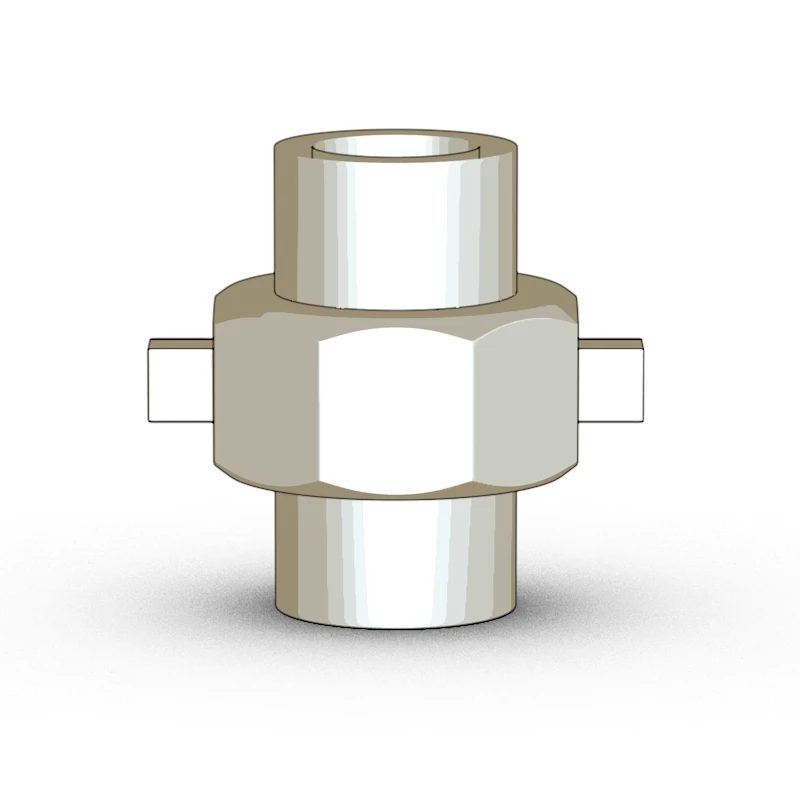
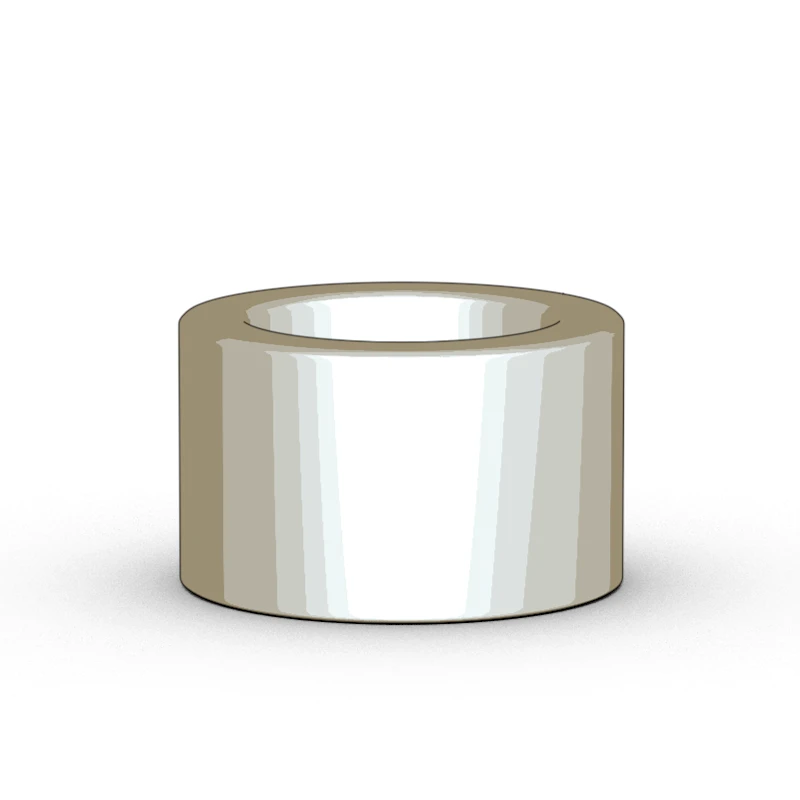
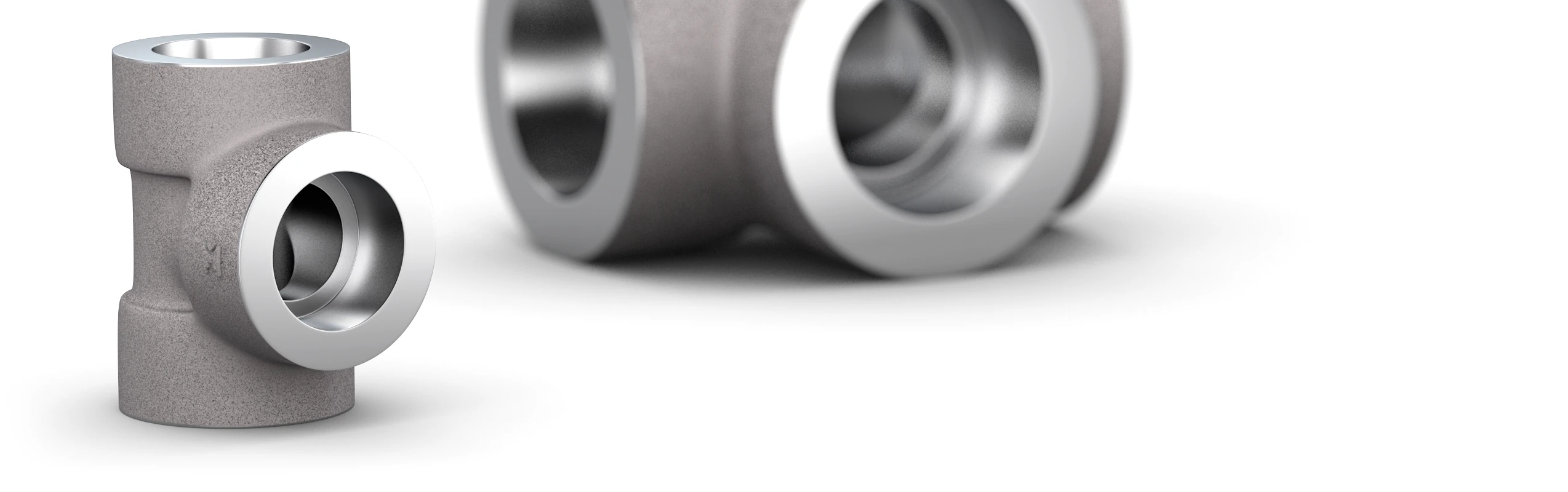
The socket weld tee manufactured by Medisan is a forged steel fitting used to split the flow into two directions or combine two separate lines in pipelines. Assembled by inserting the pipe end into the fitting socket and performing a fillet weld from the outside, these products are fully compliant with the ASME B16.11 standard. Produced in Class 3000, 6000, and 9000 pressure classes, socket weld tees provide sealing and mechanical strength under high pressure.
Our products are manufactured from carbon steel (ASTM A105 / A105N), stainless steel (A182 F304 / F316), and alloy steel (A182 F11 / F22) materials. Thanks to its design that minimizes the risk of weld slag entering the line, it is safely used in sensitive process lines.
Read More…
Applications
High-pressure steam and condensate lines
Chemical and petrochemical process piping
Oil and gas distribution systems
Power plants
Hydraulic systems
Read More…
Quality and Certification
Medisan carries out all socket weld tee production under the assurance of PED 2014/68/EU, ISO 9001:2015, and Class BV Factory Approval certifications, ensuring full compliance with international standards.
Read More…
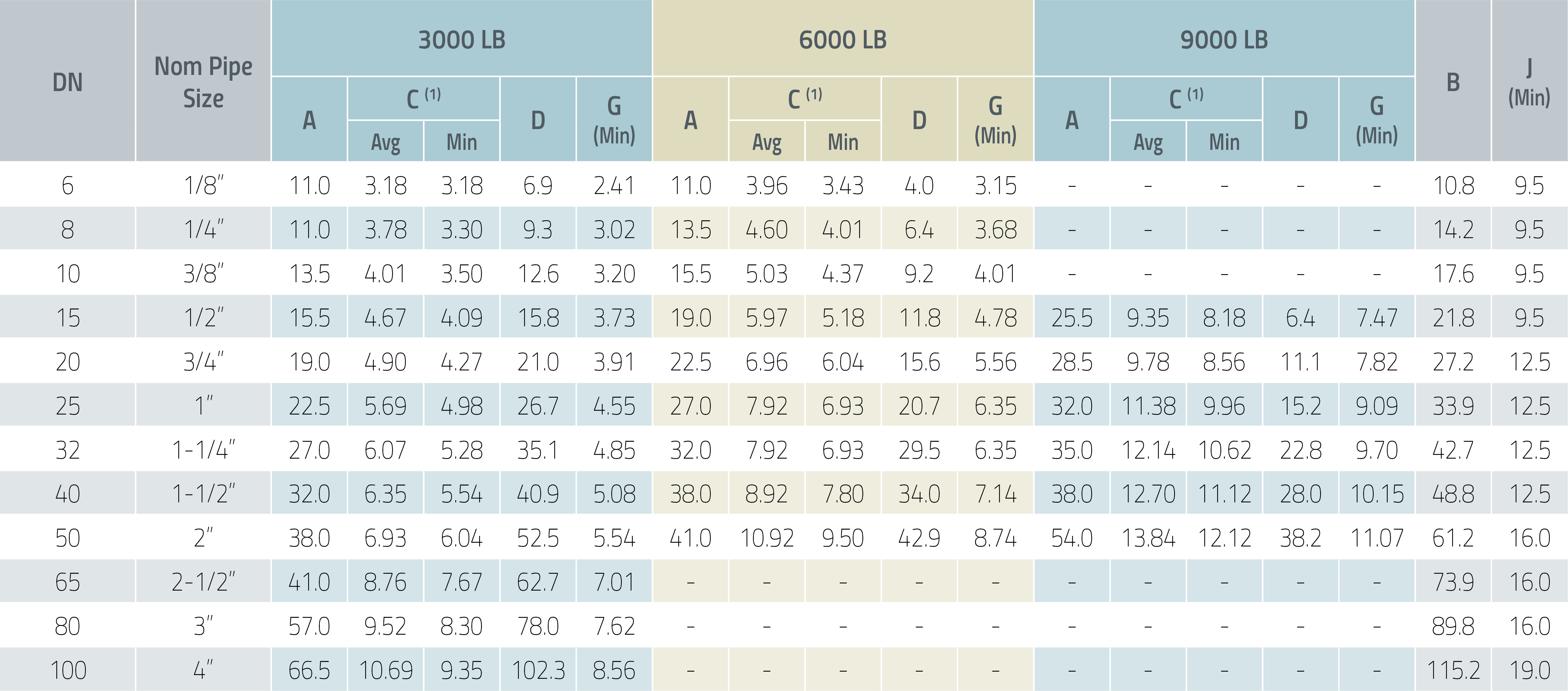
ASME B16.11-2021
Dimensions are in millimeters.
(1) Average of socket wall thickness around periphery shall be no less than listed values. The minimum values are permitted in localized areas.
Tee Socket Weld
360° View
Product Description
The socket weld tee manufactured by Medisan is a forged steel fitting used to split the flow into two directions or combine two separate lines in pipelines. Assembled by inserting the pipe end into the fitting socket and performing a fillet weld from the outside, these products are fully compliant with the ASME B16.11 standard. Produced in Class 3000, 6000, and 9000 pressure classes, socket weld tees provide sealing and mechanical strength under high pressure.
Our products are manufactured from carbon steel (ASTM A105 / A105N), stainless steel (A182 F304 / F316), and alloy steel (A182 F11 / F22) materials. Thanks to its design that minimizes the risk of weld slag entering the line, it is safely used in sensitive process lines.
Read More…
Applications
High-pressure steam and condensate lines
Chemical and petrochemical process piping
Oil and gas distribution systems
Power plants
Hydraulic systems
Read More…
Quality and Certification
Medisan carries out all socket weld tee production under the assurance of PED 2014/68/EU, ISO 9001:2015, and Class BV Factory Approval certifications, ensuring full compliance with international standards.
Read More…
ASME B16.11-2021
Dimensions are in millimeters.
(1) Average of socket wall thickness around periphery shall be no less than listed values. The minimum values are permitted in localized areas.
Tee Socket Weld
360° View
Product Description
The socket weld tee manufactured by Medisan is a forged steel fitting used to split the flow into two directions or combine two separate lines in pipelines. Assembled by inserting the pipe end into the fitting socket and performing a fillet weld from the outside, these products are fully compliant with the ASME B16.11 standard. Produced in Class 3000, 6000, and 9000 pressure classes, socket weld tees provide sealing and mechanical strength under high pressure.
Our products are manufactured from carbon steel (ASTM A105 / A105N), stainless steel (A182 F304 / F316), and alloy steel (A182 F11 / F22) materials. Thanks to its design that minimizes the risk of weld slag entering the line, it is safely used in sensitive process lines.
Read More…
Applications
High-pressure steam and condensate lines
Chemical and petrochemical process piping
Oil and gas distribution systems
Power plants
Hydraulic systems
Read More…
Quality and Certification
Medisan carries out all socket weld tee production under the assurance of PED 2014/68/EU, ISO 9001:2015, and Class BV Factory Approval certifications, ensuring full compliance with international standards.
Read More…
ASME B16.11-2021
Dimensions are in millimeters.
(1) Average of socket wall thickness around periphery shall be no less than listed values. The minimum values are permitted in localized areas.